
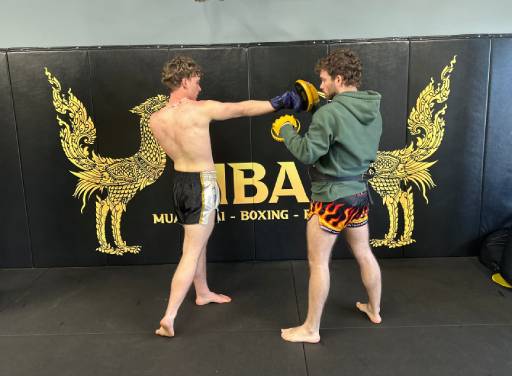
New Muay Thai students often make mistakes such as trying to progress too quickly, focusing on power instead of technique, skipping recovery, comparing themselves to advanced students, and training inconsistently. Avoiding these common errors can help beginners improve faster, stay motivated, and enjoy long-term success.
Starting Muay Thai is exciting.
Every class introduces new techniques, challenges, and opportunities for growth. Beginners quickly discover that Muay Thai is much more than punches and kicks. It requires discipline, patience, consistency, and a willingness to learn.
Like any skill, mistakes are part of the learning process. The good news is that many common beginner mistakes are entirely preventable.
Understanding what to avoid can help students improve more quickly, reduce frustration, stay injury-free, and build a strong foundation for long-term success.
At Sibai Muay Thai, we work with beginners every day and see many of the same challenges repeatedly. This guide highlights the most common mistakes and explains how to overcome them.
Why Beginners Struggle Initially
Every new student enters the gym with different goals and expectations.
Some want:
- Better fitness
- Weight loss
- Self-defense skills
- Competition experience
Others simply want a new challenge. Regardless of motivation, everyone faces a learning curve. The key is understanding that progress takes time.
Mistake #1: Trying to Learn Everything at Once
Muay Thai includes:
- Punches
- Kicks
- Knees
- Elbows
- Clinch techniques
- Defensive skills
Many beginners try to master everything immediately. This often leads to frustration. The better approach is focusing on fundamentals and allowing skills to develop gradually.
Mistake #2: Prioritizing Power Over Technique
New students often assume harder strikes are better strikes. In reality, technique comes first.
Proper mechanics create:
- Efficiency
- Accuracy
- Power
Experienced practitioners understand that clean technique eventually generates far more power than brute force.
Mistake #3: Comparing Yourself to Advanced Students
One of the fastest ways to become discouraged is comparing your progress to someone who has trained for years.
Remember: Every advanced student was once a beginner. Focus on personal improvement rather than comparison.
Mistake #4: Training Too Hard Too Soon
Excitement often causes beginners to push beyond their limits. This can lead to:
- Fatigue
- Burnout
- Injury
Consistency beats intensity. Moderate, sustainable training usually produces better long-term results.
Mistake #5: Skipping Warm-Ups
Warm-ups prepare the body for training. Benefits include:
- Improved mobility
- Better performance
- Reduced injury risk
Treat warm-ups as an important part of training, not an inconvenience.
Mistake #6: Ignoring Recovery
Recovery is where growth happens. Students should prioritize:
- Sleep
- Hydration
- Nutrition
- Mobility work
Recovery helps maintain performance and prevent injuries.
Mistake #7: Being Afraid to Ask Questions
Good coaches expect beginners to ask questions. Clarification helps students:
- Learn faster
- Avoid mistakes
- Improve technique
Never hesitate to seek guidance.
Mistake #8: Focusing Only on Favorite Techniques
Most students naturally gravitate toward certain techniques. However, neglecting weaker areas slows development. Balanced training improves overall skill level.
Mistake #9: Poor Guard Position
Beginners frequently drop their hands while striking, which creates defensive openings. Strong habits should be developed early.
Students should consistently focus on:
- Hand position
- Defensive awareness
- Balance
Mistake #10: Forgetting Footwork
Many beginners focus exclusively on strikes. However, footwork is one of the most important aspects of Muay Thai.
Good footwork supports:
- Balance
- Timing
- Distance control
Movement creates opportunities for effective offense and defense.
Mistake #11: Training Inconsistently
Progress depends on repetition. Training once every few weeks makes improvement difficult.
Most beginners benefit from:
- Two to three classes per week
Consistency produces lasting results.
Mistake #12: Expecting Immediate Results
Muay Thai is a long-term journey. Students should expect gradual improvements in:
- Fitness
- Technique
- Confidence
- Conditioning
Patience is essential.
Mistake #13: Neglecting Conditioning
Technique matters, but conditioning also plays a major role. Improved fitness helps students:
- Train longer
- Recover faster
- Perform better
Conditioning supports overall development.
Mistake #14: Poor Breathing Habits
Many beginners hold their breath during combinations. Proper breathing helps:
- Maintain energy
- Improve performance
- Reduce fatigue
Coaches often emphasize breathing fundamentals early in training.
Mistake #15: Taking Mistakes Personally
Every student makes mistakes. Errors are not failures; they are opportunities to learn. The students who improve fastest are often the ones who remain coachable and open-minded.
How to Progress Faster
Students often improve more quickly when they:
- Train consistently
- Listen to coaches
- Focus on fundamentals
- Recover properly
Long-term consistency beats short-term intensity.
Why Training at Sibai Muay Thai Helps
At Sibai Muay Thai, our programs emphasize:
- Beginner-friendly instruction
- Technical development
- Safe progression
- Positive coaching
We help students avoid common mistakes and build confidence from day one.
Internal Linking Recommendations
- Beginner Muay Thai Classes
- Adult Muay Thai Program
- Kids Muay Thai Classes
- Personal Training
- Membership Options
Authority Sources
- USA Muaythai
- International Federation of Muaythai Associations (IFMA)
- American Council on Exercise
FAQ Section
What is the biggest mistake beginners make in Muay Thai?
Trying to progress too quickly and focusing on power instead of technique.
How often should beginners train?
Most beginners benefit from two to three classes per week.
Is it normal to struggle at first?
Absolutely. Every student experiences a learning curve.
How can I improve faster?
Consistency, quality coaching, and focusing on fundamentals help accelerate progress.
Should beginners spar immediately?
Most programs introduce sparring gradually after students develop basic skills and control.
Conclusion
Every Muay Thai student makes mistakes. The difference between success and frustration often comes down to how those mistakes are handled. By focusing on fundamentals, training consistently, and maintaining a growth mindset, beginners can enjoy steady progress and long-term success in Muay Thai.
Call to Action
Ready to start your Muay Thai journey the right way? Contact Sibai Muay Thai today to schedule your first class and learn from experienced coaches who can help you build confidence, fitness, and skill from day one.
